Featured

Collard Greens


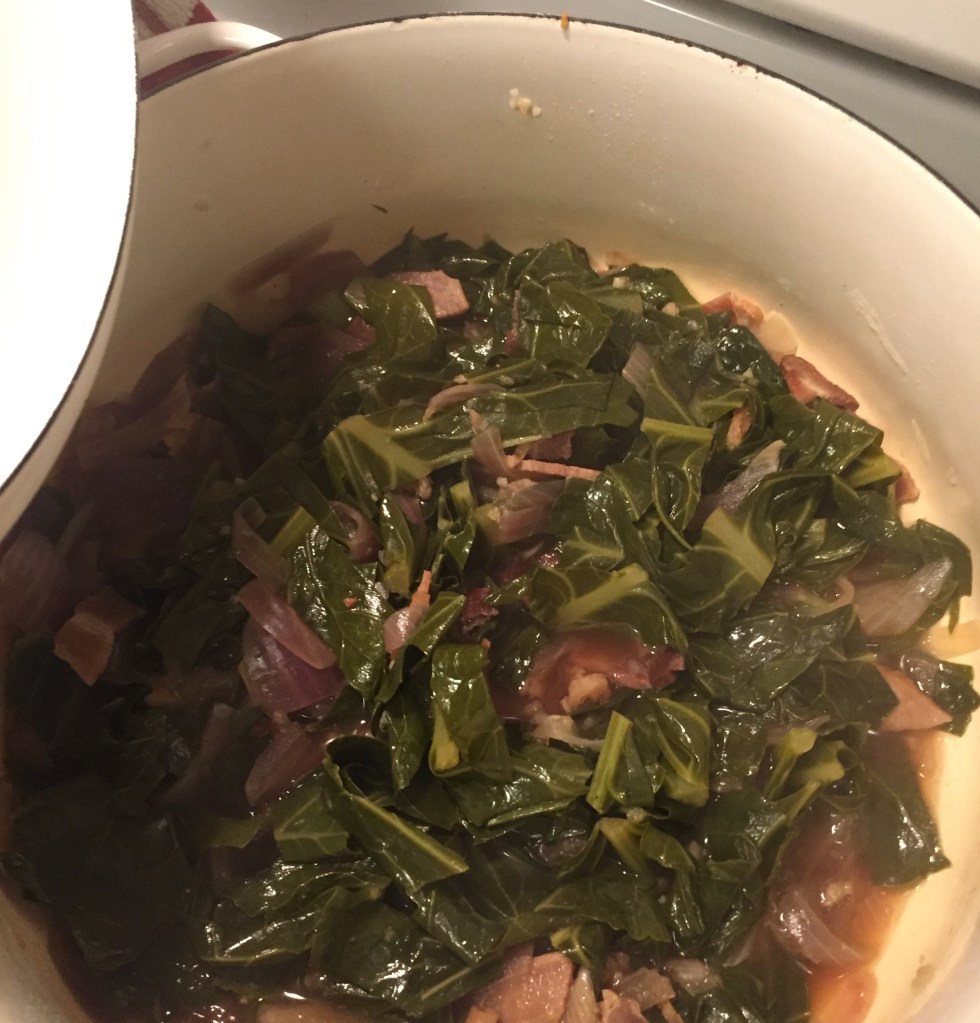
Despite growing up in the Savannah and enjoying many family meals at my grandparent’s home outside of Charleston, collard greens never made it to the dinner table growing up. I had an idea of what they were – likely some sort of green, fibrous mush, similar to many other southern “greens” – but I had nothing much more to go off of. Lucky for me, I’ve been enlightened in recent months by two of my neighbors, both of whom made delicious collards that left me begging for more. 

Last Saturday as I was walking through the market, Vertu Farm’s hearty collard greens were calling my name. I wasn’t quite sure what I’d do with them, but I new I might as well get two bunches while they are in season. When you’re buying from local vendors, you must make the most of that season’s options before the window of opportunity passes.

As with many foods I’m new to preparing, I first opened Cook’s Illustrated to see what they recommend. They feature a recipe for braised winter greens that can work for collard greens, kale and other seasonal winter greens. They also have a variation that includes bacon that got my mouth watering. That morning I had purchased some heritage breed (Berkshire) bacon from Whippoorwill Farms, making the choice of recipe an easy one to make.

While cooking, I ended up making some changes from what Cook’s Illustrated recommended, which are reflected in my recipe below. Most notably, I decided to add in the bacon to the greens right from the beginning of the cooking process instead of waiting till the end. This allowed the meat to become more tender and impart increased flavor to the dish.


Ingredients

4-6 slices bacon

1 red onion

2 pounds collard green

3 garlic cloves, minced

1 cup chicken broth

1 cup water

salt

1 tbsp apple cider vinegar

1. Heat a pan (cast iron is preferred) on medium heat and cook the bacon slices until they begin to gain color. While the bacon cooks, chop the collards with one vertical slice along the stem and multiple horizontal slices every inch or so. Then slice the red onion into 1/4 inch strips. Once the bacon is done cooking, set the slices to the side and pour the rendered fat into a dutch oven. 

2. Turn the dutch up to medium/medium-high heat. Once the dutch oven and rendered fat have reached the desired temperature, add in the red onion. Cook, stirring every so often to prevent burning, until soft and slightly translucent. The bright hue of the red onion should fade. While the onion cooks, chop the bacon into 1 inch pieces. Once the onion is ready, add in the garlic and stir, cooking till fragrant.

3. Add half of the greens to the pot and stir till slightly wilted and darker in color. Then add in the rest of the greens, chicken stock, water, bacon, and a little salt. Turn down to medium-low and cover. For the next hour or so, check on the greens periodically to be sure there’s no burning occurring and give them a little stir. 

4. After about an hour, take out a spoonful of greens to taste. They shouldn’t require much chewing and shouldn’t taste particularly green. As all the flavors begin to meld together, the greens should take on a sweet yet savory taste. Another clue to their readiness will be the bacon, which should be on the verge of falling apart from tenderness. If in doubt, 15 more minutes won’t hurt! We’re often in a hurry for food to be ready, but sometimes it needs a bit longer to blossom and gain optimal flavor.

5. Once the dish tastes right and its parts have the consistency you’re looking for, remove the lid and add in the apple cider vinegar. Turn the heat up to medium high and let the liquid boil away. The dish is ready once the majority of the liquid has evaporated.
Oyster Mushroom Pate

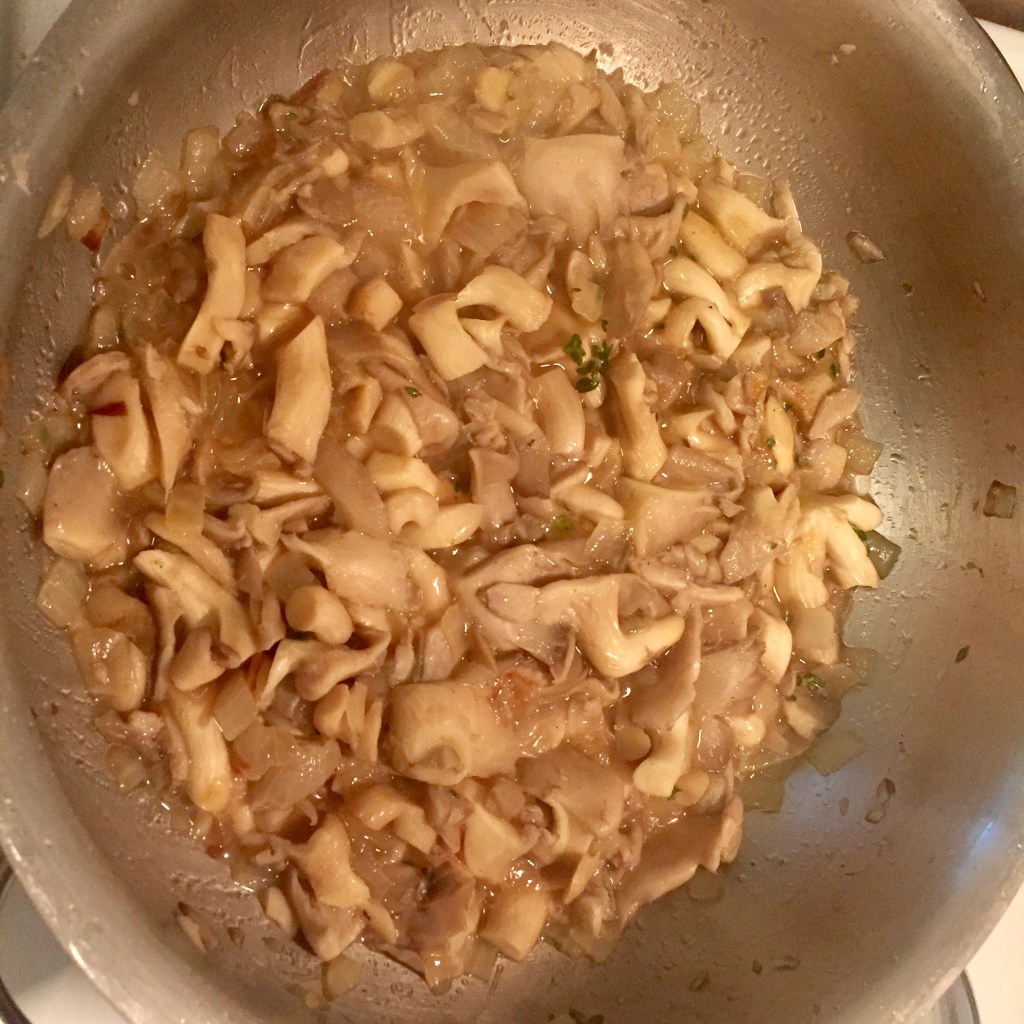
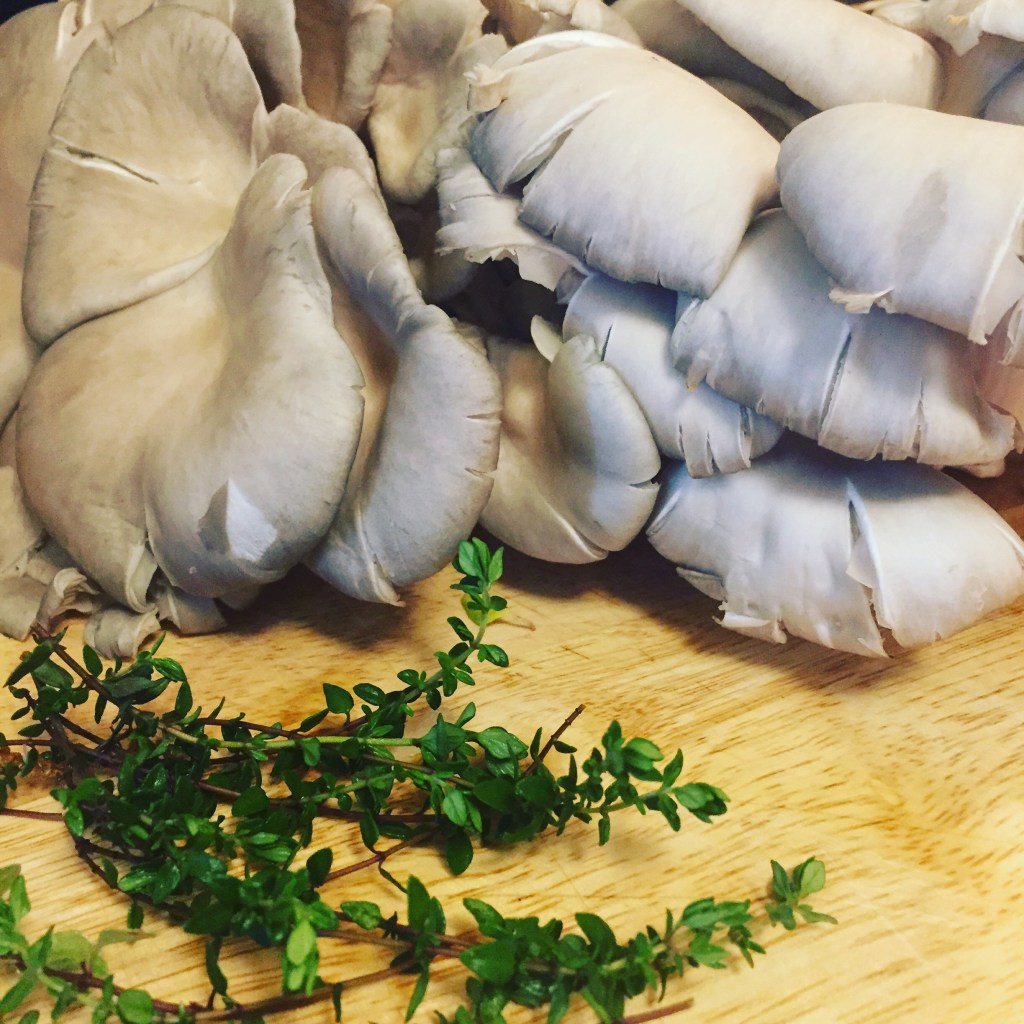
This week I decided to get more mushrooms than usual from Ancil at Swampy Appleseed and to try a new recipe. I wasn’t sure what I’d cook at first, but was then reminded of some surprisingly delicious mushroom pate I had eaten a while back from Lauren Teague. While mine was definitely not on par, I’m pretty happy with how it turned out. It’s the little things, like an afternoon snack of mushroom pate, that make the quarantine bearable!

Ingredients

  • 1/3 cup olive oil
  • 2.5 tbsp butter
  • 1 onion
  • 1 lb oyster mushrooms
  • 1 tsp fresh thyme
  • 1/4 cup marsala, sherry, or madeira
  1. Heat up the pan and add the olive oil along with 2 tbsp of the butter. Once the butter is melted, add in the diced onion. Let it sizzle away for just under 10 minutes, till it is cooked through and the edges are turning brown.
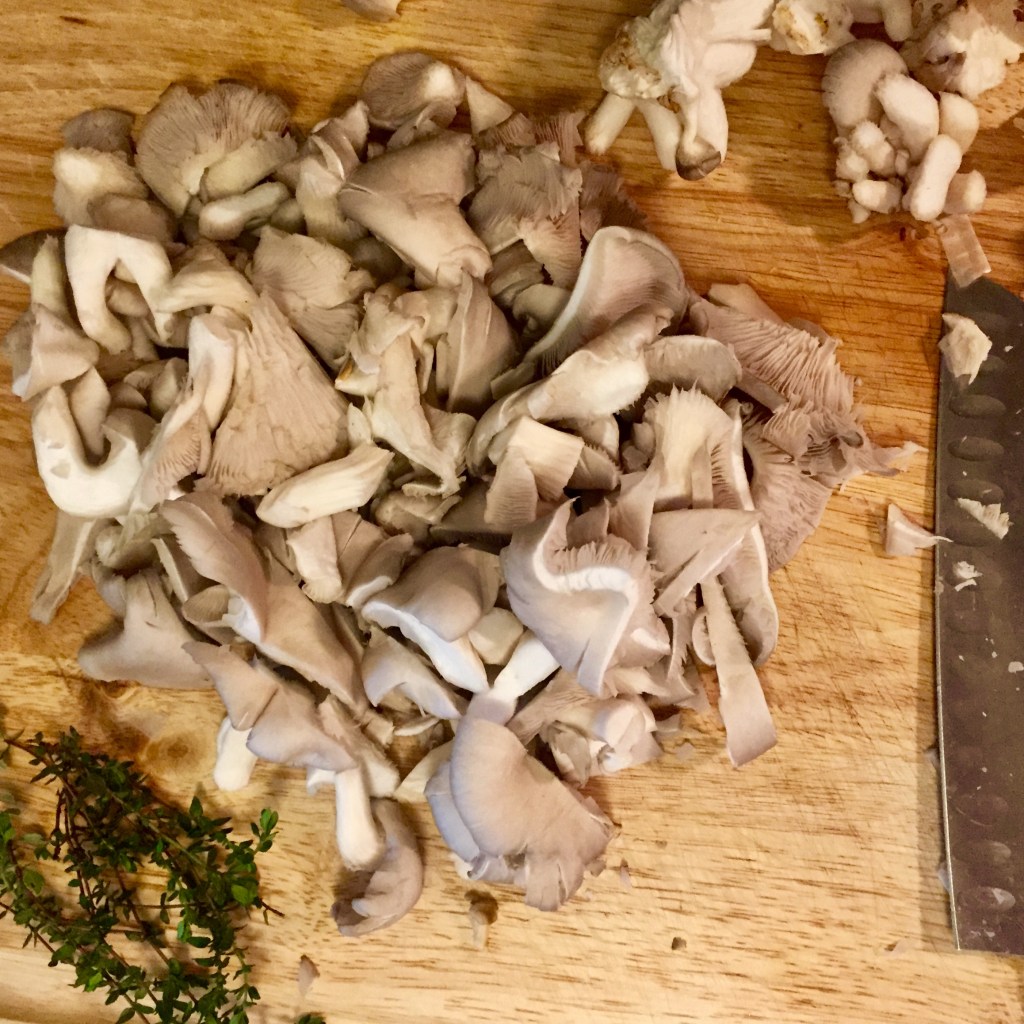
  2. Then add in the mushroom, cut up however you like (it’ll be blitzed in the food processor later), along with the thyme. Cook until no liquid remains.
  3. Add in the marsala and let that simmer till no liquid remains.
  4. At this point, taste the dish and season to taste. Then add the final 1/2 tbsp of butter into the dish and take off heat to let cool down.
  5. Once the dish has cooled a bit, pulse in your food processor till it’s a consistency you like. Chill for 4-5 hours before eating.

Arugula Pesto Pasta w/ Ricotta

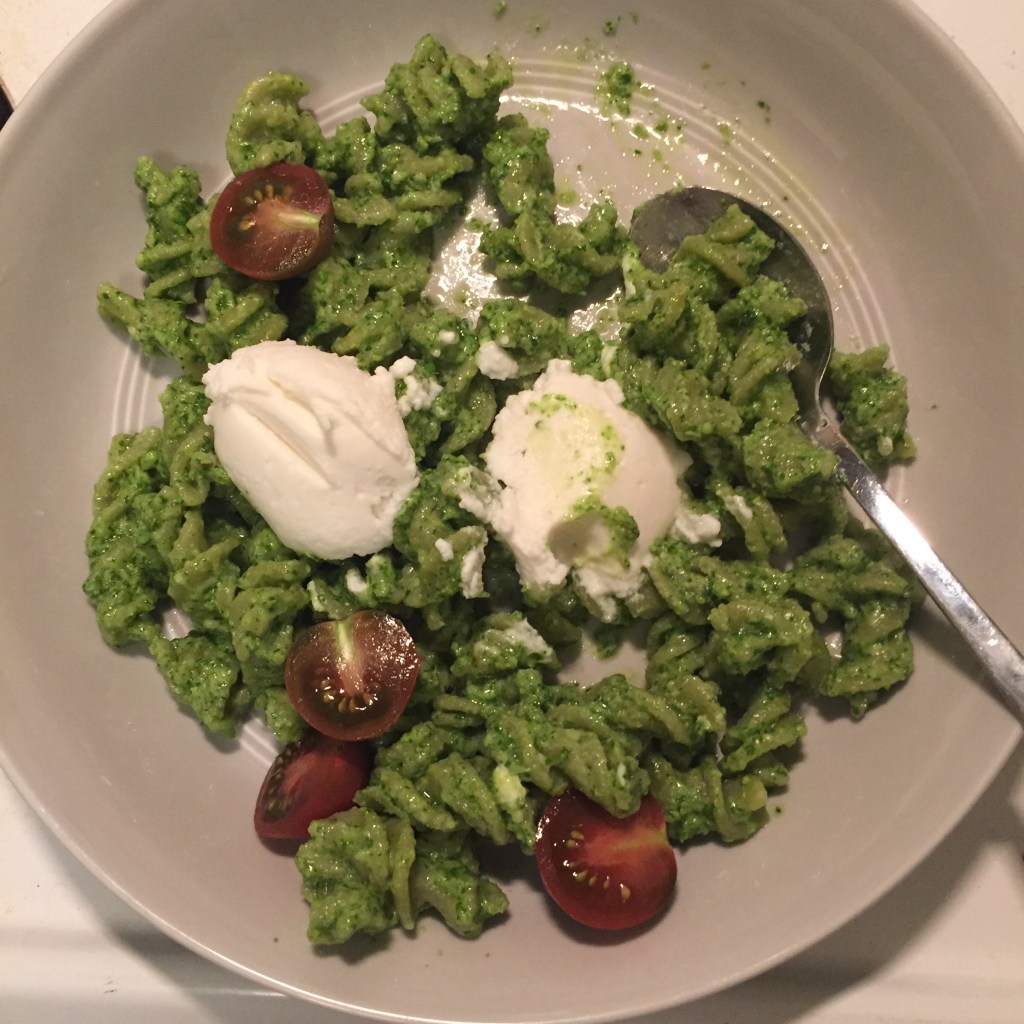
Spring emerging, there are foods coming back to the market that have been scarce as of late. One of my favorites is arugula. It’s spicy, peppery flavor is works well with so many others, especially alongside creamy dairy products and sweet fruits and veggies. This particular recipe has a lot of room for variation depending on what you have around. Right now recipe flexibility is important!

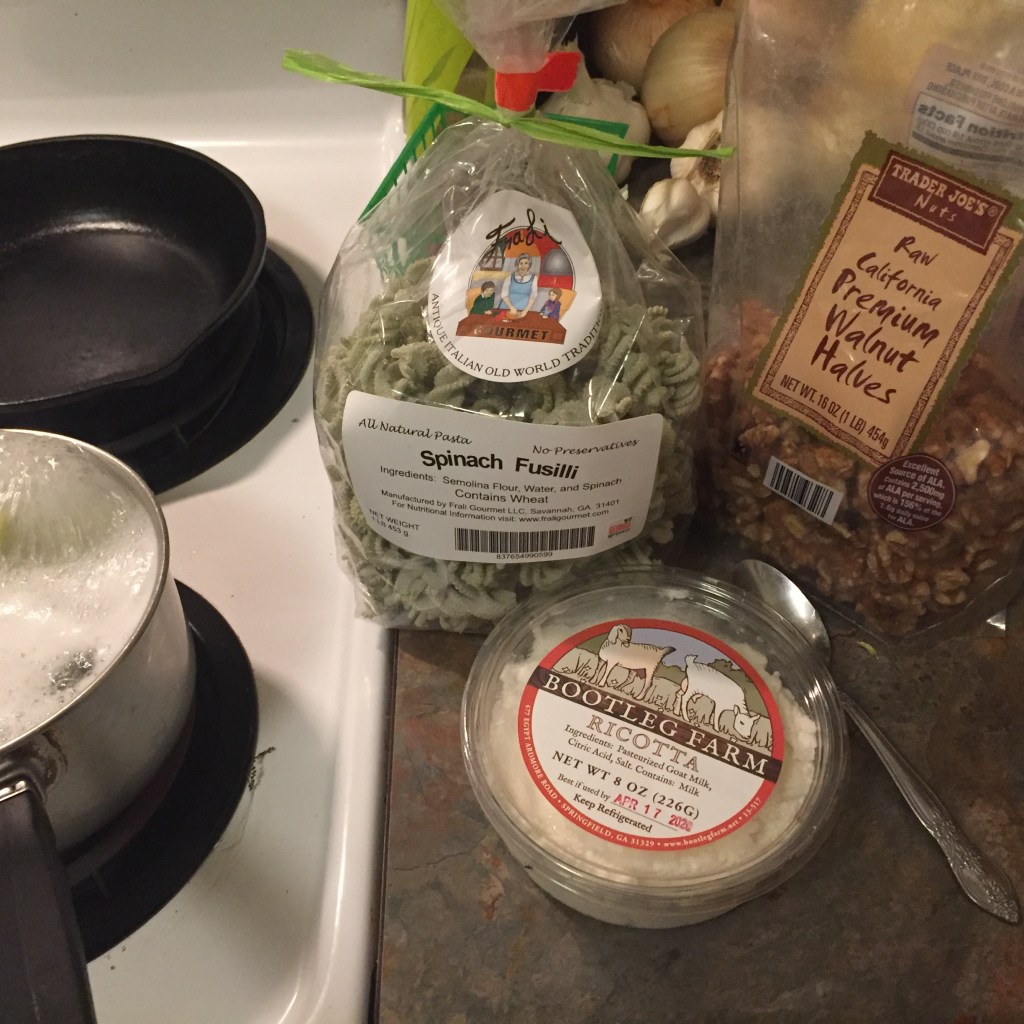
In my recipe today, I started off with an arugula pesto over pasta, topped off with tomatoes and ricotta cheese. The ricotta can easily be substituted for the same parmesan that goes into the pesto. Additionally, tomatoes add a nice contrast the pasta, but are not essential. This just happened to be the pasta shape I had on hand, but many others could work well. Additionally throwing a fried egg on top is always a good option if you’re trying to make it more hearty.

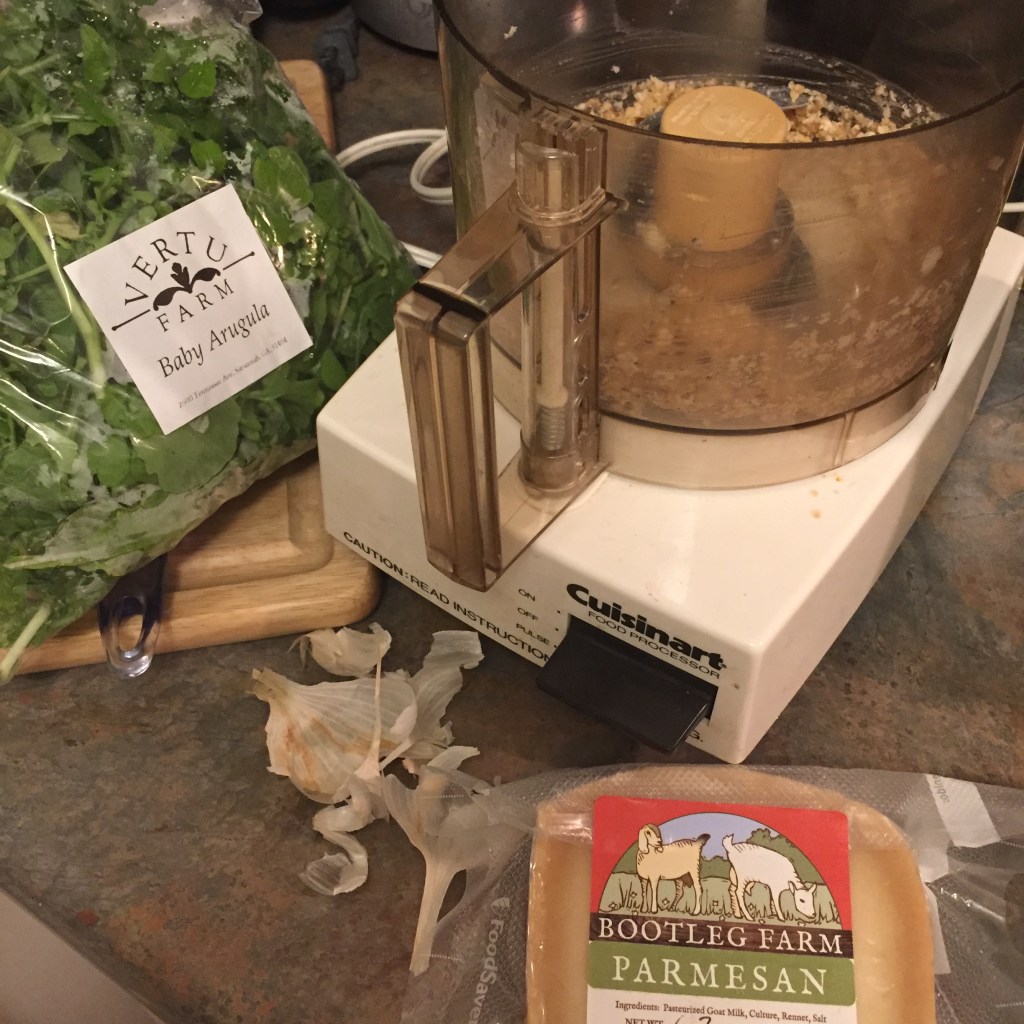
I was really happy to be able to use ingredients from a wide variety of vendors for this meal. The baby arugula is from Vertu Farm; the cheese (parmesan & ricotta) are from Bootleg Farm; the spinach fusilli pasta is from Frali; and the tomatoes from Adam’s Farm.

Ingredients

  • 2 cloves of garlic
  • 2 tablespoons of walnuts
  • 2 cups of baby arugula
  • salt
  • 1/2 cup of olive oil
  • 1/2 cup of grated parmesan cheese
  • pasta of your choice
  • ricotta cheese
  • cherry tomatoes
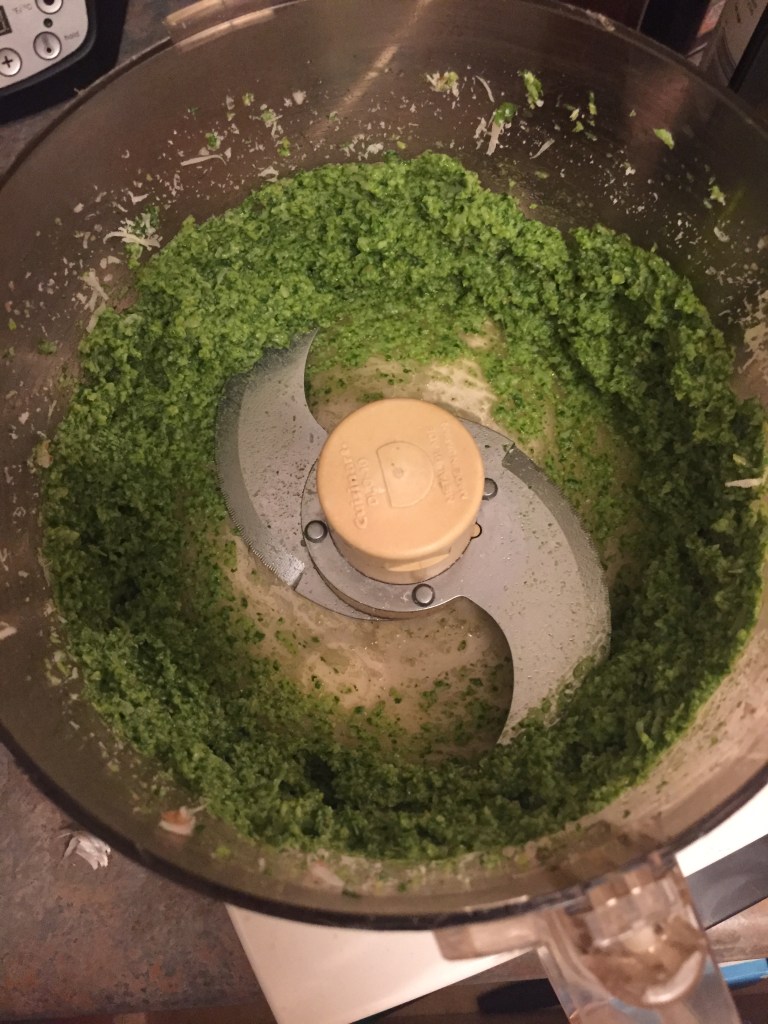
  1. First, go ahead and put on a pot of salted water to boil for the pasta. Then turn to your food processor and blend the two garlic cloves till they stick to the sides. Scrape the sides down then add in the walnuts. Scrape the sides down again and add the baby arugula and some salt. Once a paste has formed, add in the olive oil while the processor runs, until the mixture is smooth. Then add in the parmesan. At this point, your pesto is good to go!
  2. As the pesto is done, the water is likely boiling and ready for you to put in the pasta to cook. As the pasta is boiling away, take a couple of cherry tomatoes and slice in half. You can also go ahead and clean all the dishes you’ve dirtied while you wait – dried on pesto is no fun to clean!
  3. Once al dente, strain the pasta and add it back to the pot, along with a little bit of olive oil and stir. Then add in the pesto until you have enough to generously coat the noodles. Place pasta in a bowl and put tomatoes and a couple of spoonfuls of ricotta on top. Eat immediately! Leftover pesto can be stored in a jar in the fridge for at least a week.

Beef & Baby Bok Choy Soup

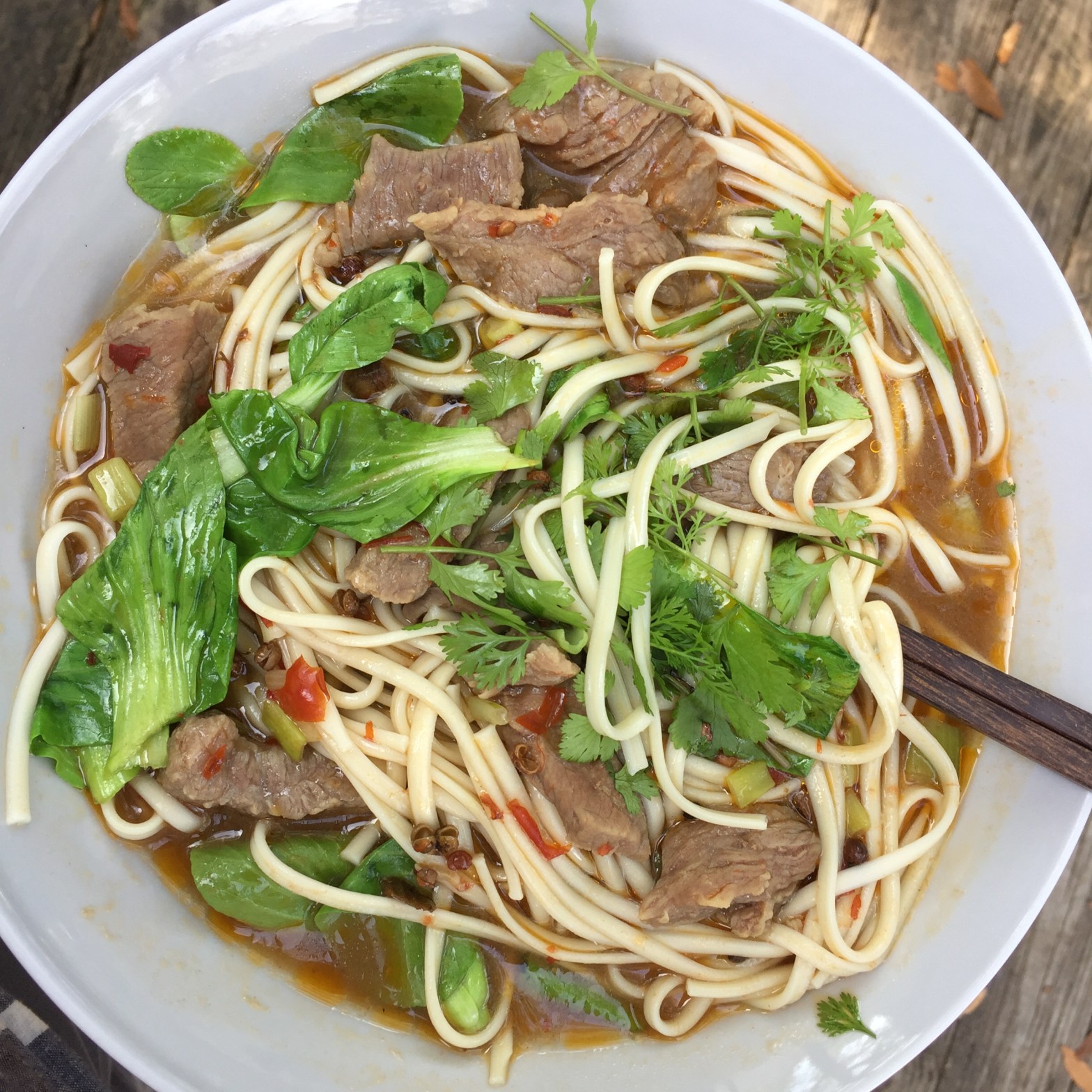
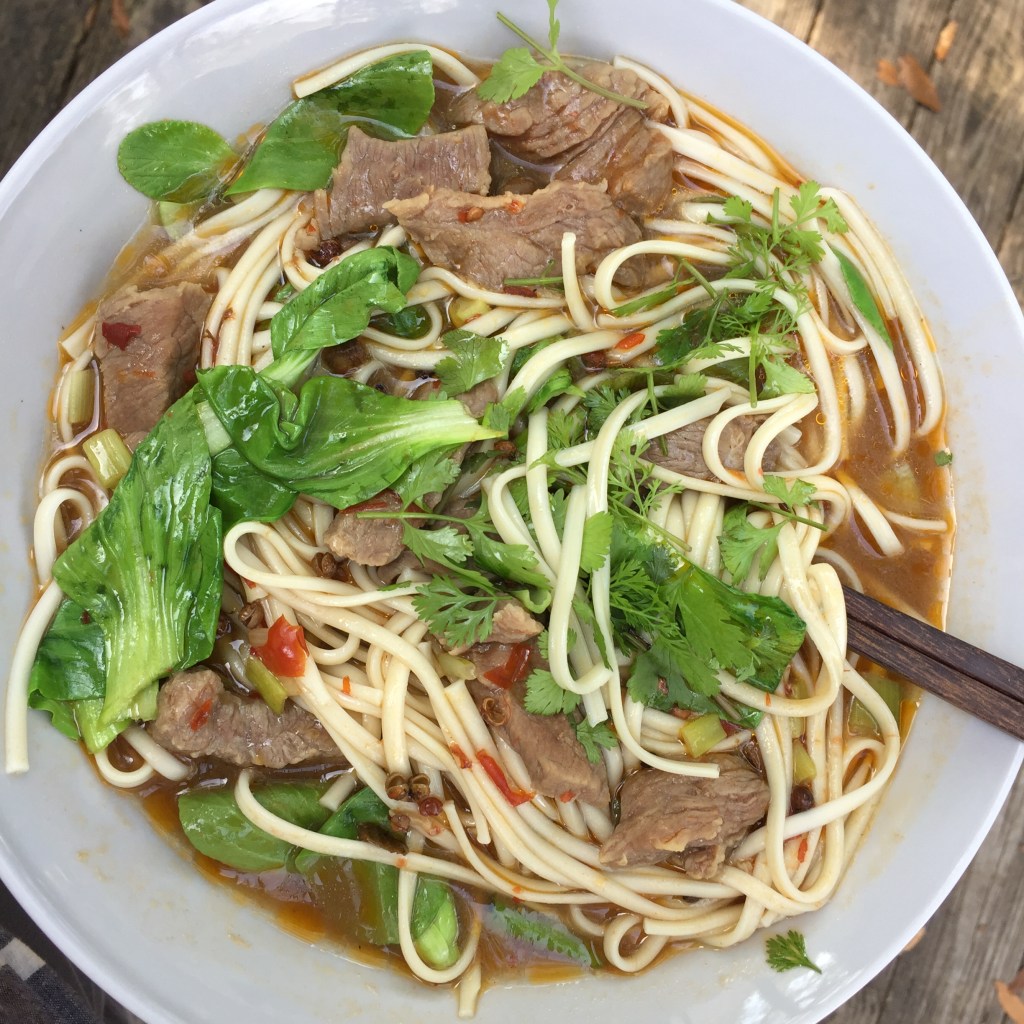
I’ve always enjoyed the flavors of Chinese and Thai foods in particular, and have been slowly learning more about how to cook with these flavors. A good friend served an amazing Szechuan boiled beef soup a few months ago, which then set me on the path to this recipe.

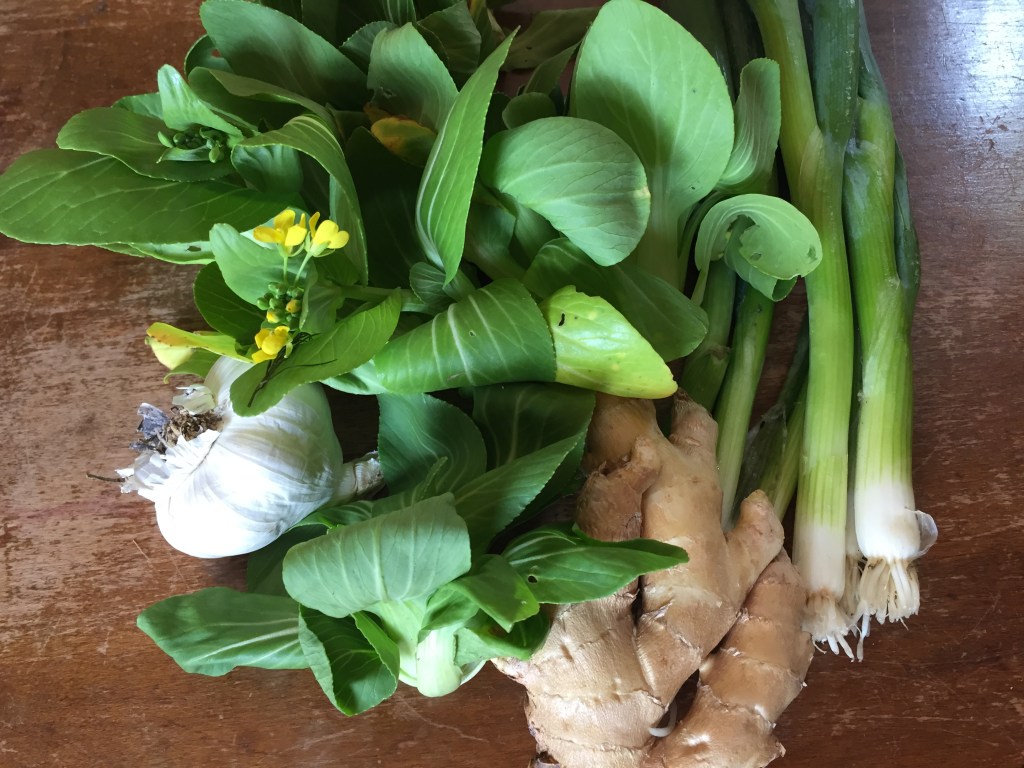
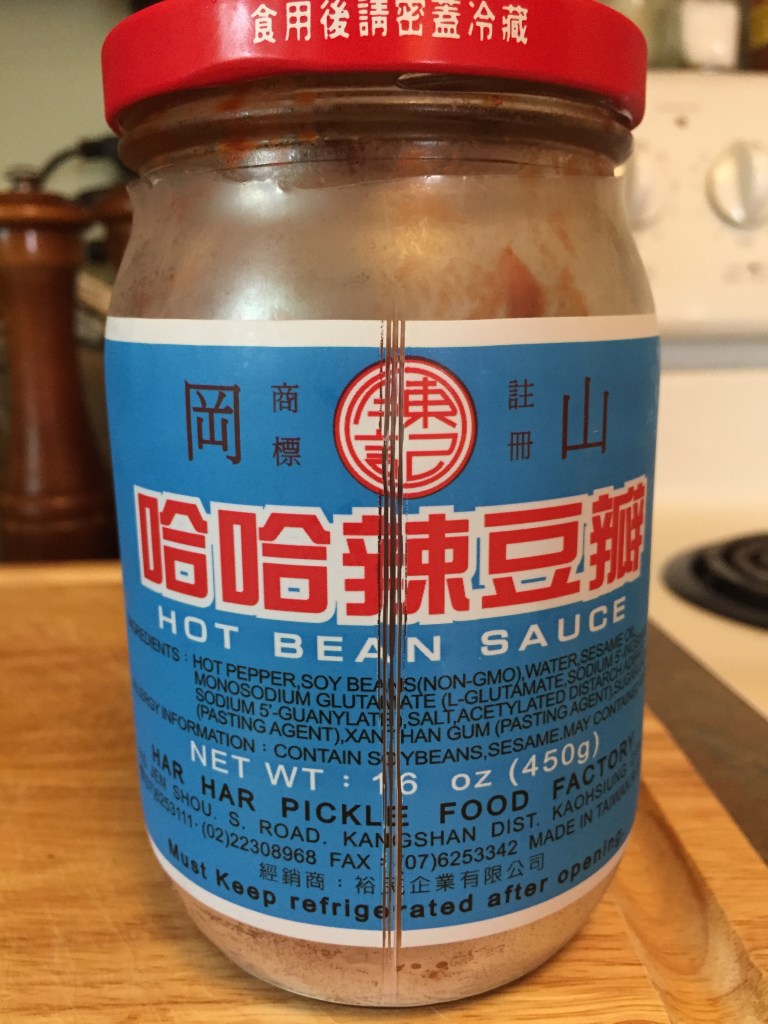
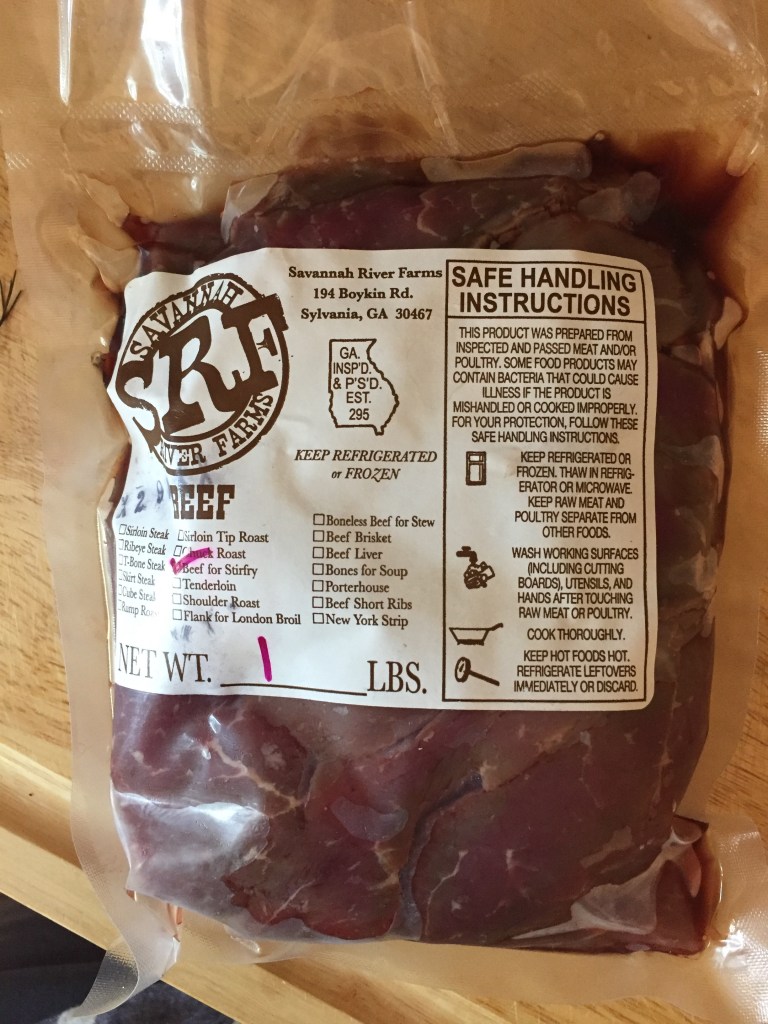
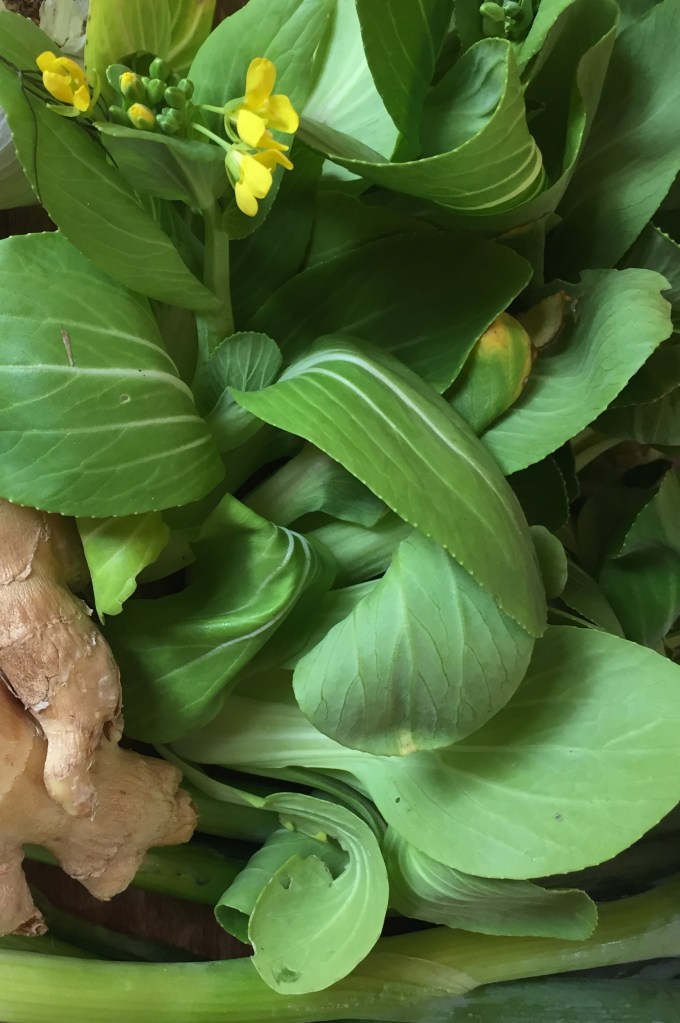
A few notes: While many of the ingredients can be found in our local food economy, I did have to visit the Chinatown Market on Price Street to supply some of the more specialty ingredients (Szechuan peppercorns, spicy bean paste). Local ingredients of note are the baby bok choy & cilantro from Vertu Farm and the beef from Savannah River Farms. The udon noodles can be found either a specialty food store or in the world foods section of the grocery store. For the bone broth, homemade is best as it will have the richest flavor and nutritional value. This recipe goes from good to great if the quality of the broth is high. The amount of hot bean sauce can always be added to at the end; the amount I recommend puts it at a low to medium spicy level. Finally, while I chose to use baby bok choy, many different vegetables are possible in this dish – and they can be stir fried in some peanut oil prior to starting the other cooking if they not as delicate as bok choy. I chose to not stir fry the bok choy in order to keep the more crisp texture as a contrast to the rest.


Ingredients

1lb beef for stir fry

1tsp baking soda

2 tbsp cornstarch

1/2 cup peanut oil

finger of ginger, cut into 6 slices

6 scallions, sliced into 1/2″ pieces

2 tbsp szechuan peppercorns

6 tbsp hot bean sauce

1 package udon noodles (c. 9oz)

3 cups bone broth

2 tsp sugar

1 lb baby bok choy

cilantro or micro cilantro


1. Before beginning the cooking process, the beef should be sliced into thin pieces (no more than 1/4″ thick), against the grain. The beef should then be placed in a bowl with the baking soda and covered with just enough water to cover the beef. Mix well and leave for an hour. At the end of the hour, run the bowl in cold water for a few minutes and drain. Mix in the cornstarch and set aside.

2. Before starting the main work of cooking in your wok, put on a pot of water to boil for the noodles.

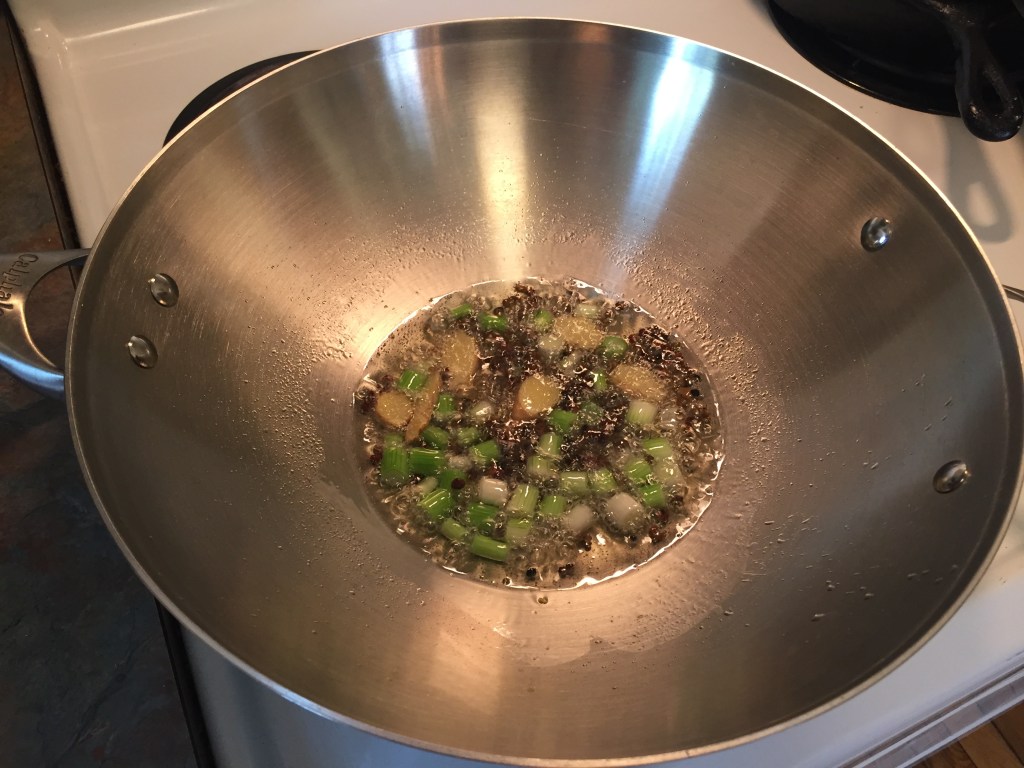
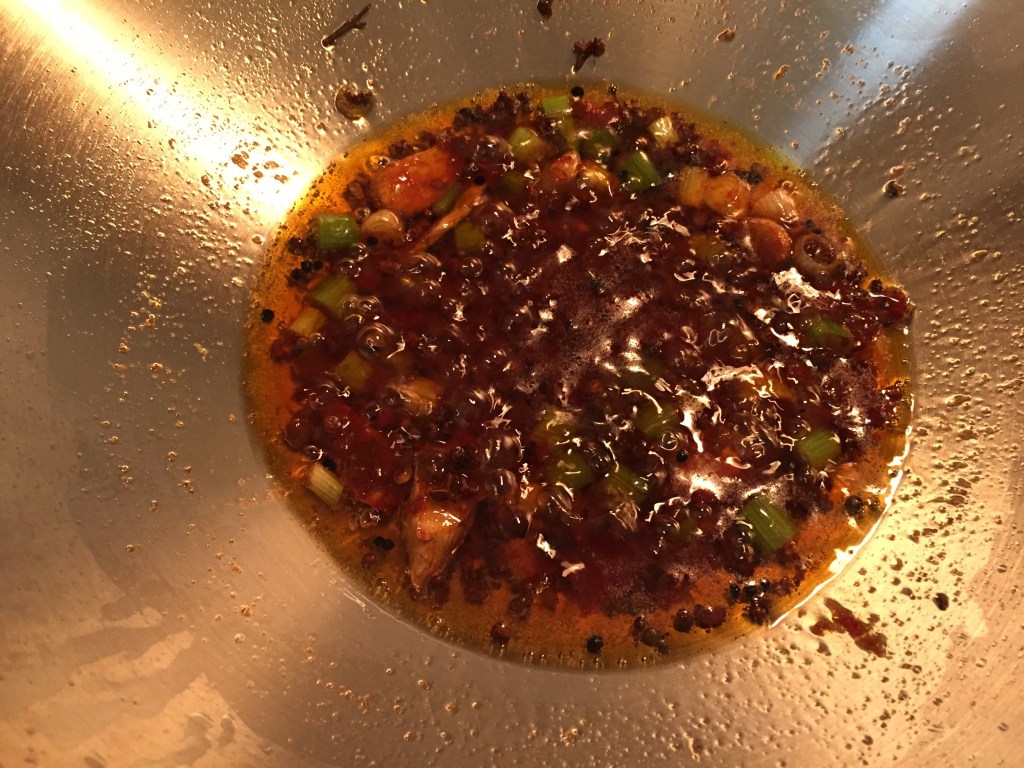
3. Heat the wok to medium and add in the peanut oil. Once thoroughly warmed, add in the ginger pieces to sizzle away till light brown and aromatic, about 3 minutes. Then add in the scallions and Szechuan peppercorns and cook for another 2 minutes or so. Finally, add in the spicy bean paste and cook till the color has spread throughout the oil. (there’s a couple of photos of this step above)

4. Add the stock and sugar and turn up to medium high. Once boiling, add the beef, cooking till opaque. At this point when you add the beef, your pot of water for the noodles should also be boiling and the noodles can be added.

5. Take a large, deep bowl from which the soup will be served and place the baby bok choy (and any other vegetables you decide to stir fry) on the bottom of the bowl. Once the noodles are done cooking they can be placed on the bok choy. When the beef is done, pour the full contents of the wok over top of the bok choy and noodles. Garnish with cilantro or micro cilantro.

Fennel & Egg Salad

Bagged lunch. It’s not my favorite thing to plan and pack, but it’s a necessity. Lately I’ve been trying to find new ideas for lunch, and have happened upon the wonders of egg salad. Wonderfully simple, tasty, and filling. The other week I enjoyed a more standard recipe, but had been wondering what could be done to mix it up. 

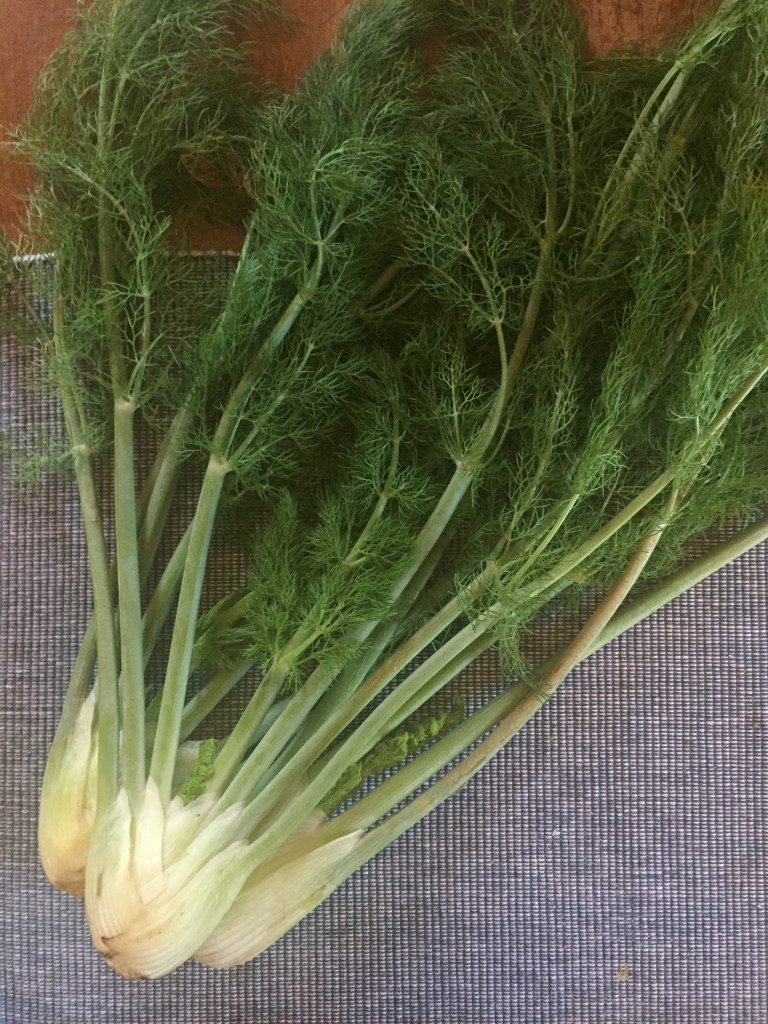
As I stared into the fridge the other day, I saw some fennel lying there. I tend to just roast it or add it to a stew, but it happened to occur to me that fennel had many similarities to the celery I had been putting in my egg salad. This led me down a rabbit trail – what would egg salad taste like with fennel instead of celery?

My first iteration was pretty boring. Raw fennel, store-bought mayonnaise, eggs, mustard. I cut the fennel too small. The mayo had little flavor. The mixture had no zing. Somehow this didn’t keep my dog from sneakily stealing the last few bites….

What could make the egg salad become something I really looked forward to eating? Back in the fall I ate at a restaurant in St. Louis that won me over in many ways, one of which was their homemade mayonnaise. I had a hunch that the rich flavor of homemade mayonnaise would be a key player in a better egg salad. Inspired by another restaurant, one of my favorites in town – Green Truck Pub, I had made a pickled fennel slaw last spring with great success. Maybe this too could contribute to a more flavorful egg salad?

Lo and behold, I was on the right track. After a failed mayonnaise attempt (take everyone’s advice – don’t use extra virgin olive oil!) the path was set and I was able to make a much more successful rendition of the fennel & egg salad, which you can find below. 

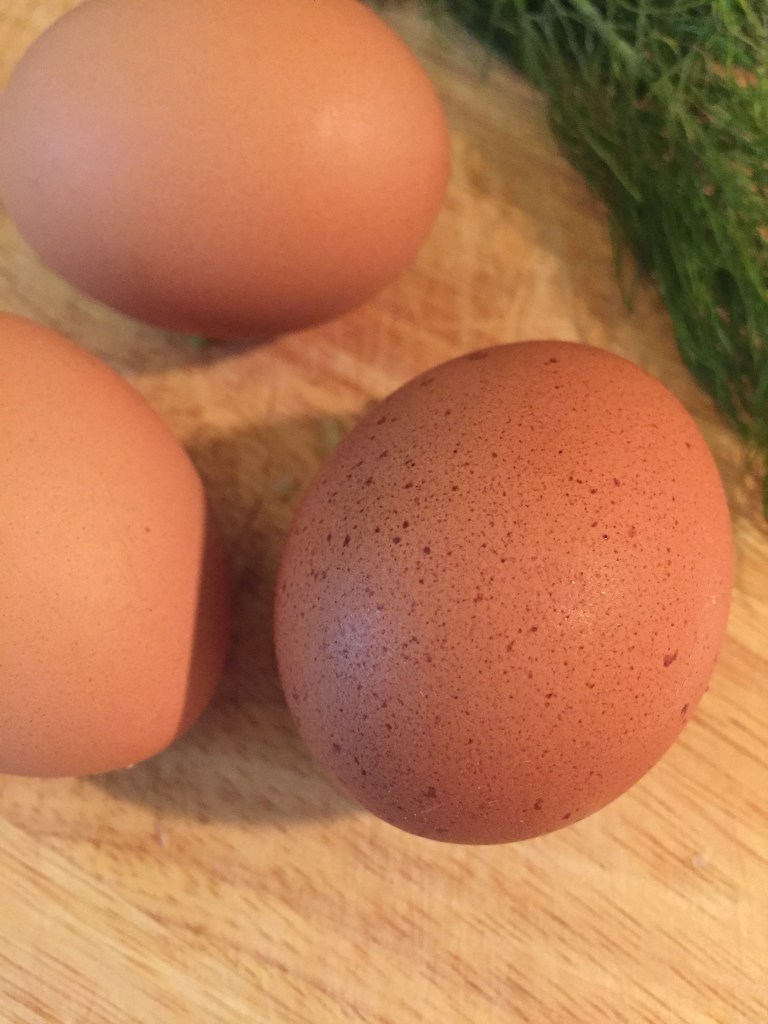
The recipe comes alive, I think, due the freshness of the ingredients. The beautiful eggs were purchased from Bootleg Farm, verdant and flavorful fennel from Vertu Farm, and the lemon was given by a neighbor.


Ingredients:

7 eggs

2-3 fennel bulbs, with fronds

3 tbsp champagne vinegar

1 tsp dill seeds

2 pinches sugar

1 tsp dried mustard

1/2 lemon (or 3-4 tsp lemon juice)

1 cup sunflower oil

salt


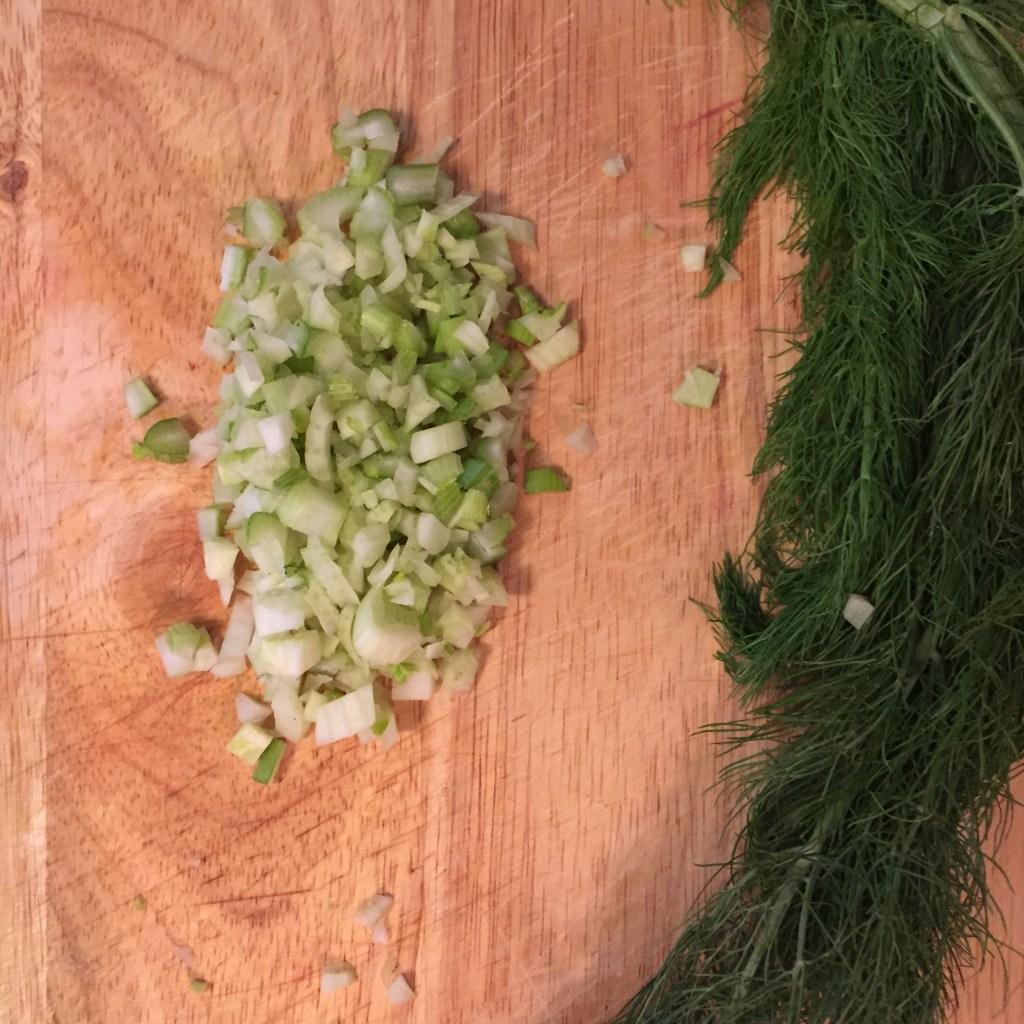
1. The first step is to lightly pickle the fennel so that it has a little extra zing when mixed in with the eggs and mayonnaise. While completing this step, have a pot of water on the stove on high, in order to bring it to a boil. Roughly chop the fennel bulbs along with some of the fronds (about 3 tbsp). Place into a small bowl and add the dill seeds, a pinch of sugar, as well as 2 tbsp of the champagne vinegar. Set aside and stir whenever you think of it.

2. As the pot of water comes to a boil, carefully place 6 of the eggs into the water and set a timer for 12 minutes.

3. While the eggs cook, it’s time to make the mayonnaise. Start by taking your one remaining egg and separate out the yolk. In a small bowl, whisk together the yolk, 1/2 tsp dried mustard, a pinch of sugar, and a little salt. In another small bowl/glass, combine the remaining 1 tbsp of champagne vinegar and the juice of half a lemon (about 3-4 tbsp). Add half of this vinegar & lemon mixture to the egg and whisk. Now it is time to very slowly add in the sunflower oil while vigorously whisking. The mixture should turn increasingly pale and creamy. Once half of the oil has been added, the remaining vinegar & lemon can be mixed in. Finish it off by continuing to slowly add the sunflower oil while whisking. Set aside (leftover mayonnaise can be stored in the fridge in an airtight container for up to 3 days).

4. As you’re finishing up the mayonnaise, the eggs should be nearing their completion as well. Once the timer goes off, place the pot under cold running water for a few minutes to stop the eggs from cooking further. As they become cool enough to handle, peel and chop them, placing the chopped eggs into a medium bowl.

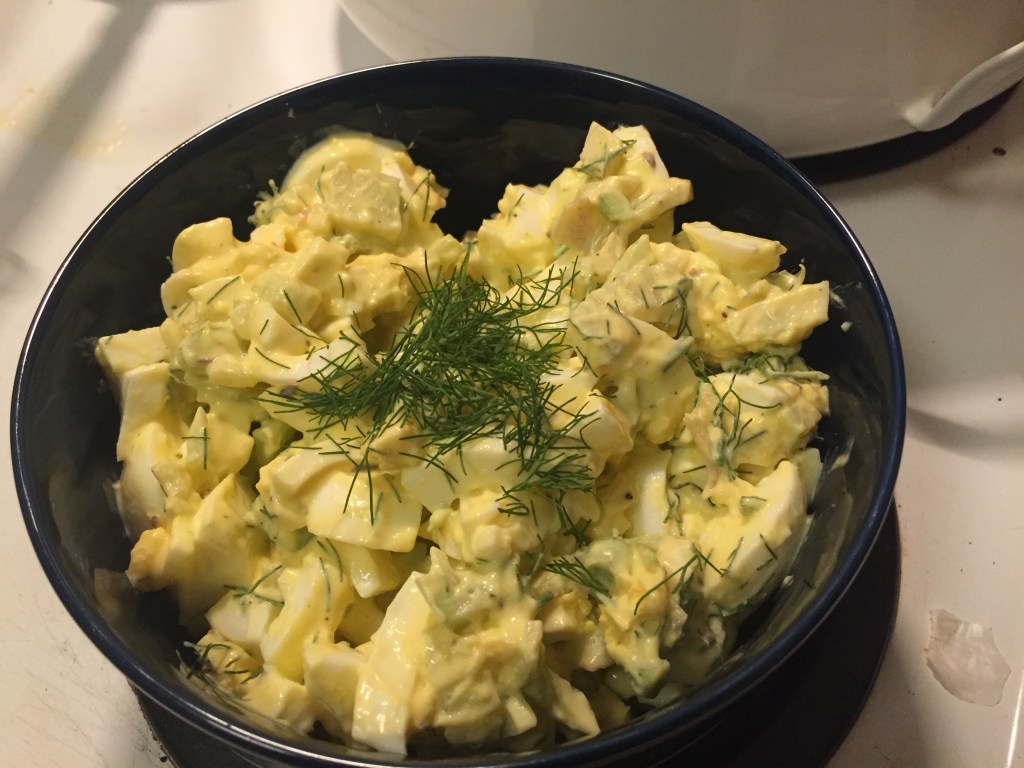
5. Final step, add two heaping spoonfuls of mayonnaise (about 1/3 cup) and the remaining 1/2 tsp dried mustard in with the eggs and stir. Strain out the fennel & fronds from the vinegar and mix into the eggs as well. Use some remaining fronds to garnish, if desired.

Design a site like this with WordPress.com
Get started